The hidden psychology behind gambling Understanding the mind’s risky decisions
The Allure of Risk
Gambling appeals to many due to the thrill associated with risk-taking. This allure is deeply rooted in human psychology, where the prospect of winning significant rewards can overshadow the fear of loss. For many, the excitement of placing a bet and the anticipation of possible success creates an exhilarating experience that becomes addictive. The psychological phenomenon of ‘loss aversion’ plays a significant role here; individuals often prefer to avoid losses over acquiring equivalent gains, which makes the potential for winning best casino online all the more enticing.

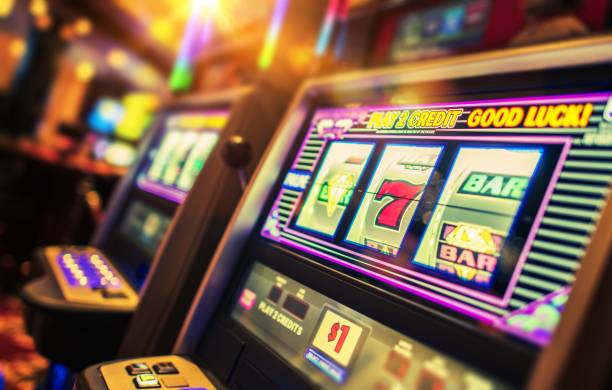
Furthermore, the environment of a casino amplifies these feelings. Bright lights, loud sounds, and the presence of other excited gamblers create a stimulating atmosphere that encourages further risk-taking. This environment can distort an individual’s perception of reality, leading to overconfidence in their ability to win. The combination of psychological and environmental factors can lead to a cycle of continuous gambling, as players chase the high of their last win.
The Role of Cognitive Biases
Cognitive biases significantly influence gambling behavior. One common bias is the ‘gambler’s fallacy,’ where individuals believe that past outcomes will affect future events. For instance, a player might think that after a series of losses, a win is due, which can lead to increased betting. This flawed reasoning can result in substantial financial losses as gamblers chase their perceived luck.
Another cognitive bias is the ‘illusion of control,’ where gamblers feel they have influence over the outcome of random games. Many believe that specific actions or strategies can improve their odds, despite the inherent randomness of games such as roulette or slot machines. This belief can lead to higher stakes being placed and greater overall losses, as players often disregard statistical realities.
Emotional Factors in Gambling
The emotional state of a gambler can significantly affect their decision-making process. Emotions such as excitement, anxiety, and even sadness can compel individuals to gamble in ways they might not otherwise consider. In moments of stress or depression, some may turn to gambling as a form of escapism, seeking relief from their emotions through the thrill of chance.
Moreover, the euphoric feelings associated with winning can create a feedback loop, encouraging further gambling. When players experience the rush of a win, their brains release dopamine, a neurotransmitter related to pleasure and reward. This biochemical reaction reinforces their gambling behavior, making them more likely to return to the casino in hopes of repeating the high they once felt.
Social Influences on Gambling
The social aspect of gambling cannot be overlooked. Many individuals are influenced by their social circles, where peer pressure or the desire for social acceptance can drive gambling behavior. Watching friends or family win can evoke feelings of envy or competition, prompting individuals to participate in gambling activities to avoid feeling left out.
Additionally, the normalization of gambling in certain cultures can lead to increased participation. With gambling being portrayed positively in media and entertainment, individuals may perceive it as a harmless pastime, further fueling their propensity to engage in risky decisions. This social acceptance can obscure the potential negative consequences of gambling, allowing individuals to rationalize their behavior.
Insights from the Gambling Industry
The gambling industry is constantly evolving, driven by an understanding of the psychological factors that influence player behavior. Companies invest significant resources in marketing strategies designed to attract new gamblers while retaining existing ones. Understanding the psychology behind gambling enables the industry to create environments that maximize player engagement.
As this field continues to grow, it is essential for individuals to remain informed about the mental and emotional aspects of gambling. Awareness can empower players to make more informed decisions and recognize when gambling may be crossing into problematic territory. The gambling industry is a complex interplay of psychology and behavior, emphasizing the need for responsible gaming practices and support systems for those affected by its risks.