Recognizing the signs of gambling addiction A path to recovery and support
Understanding Gambling Addiction
Gambling addiction, often referred to as compulsive gambling or pathological gambling, is a serious condition that affects individuals’ lives significantly. This disorder is characterized by an uncontrollable urge to gamble, despite the negative consequences that may arise, such as financial loss, relationship issues, and emotional distress. Understanding the root causes of gambling addiction is essential in recognizing its signs and symptoms. For those exploring online options, visiting ทางเข้า fun88 can provide useful insights into responsible gaming practices.
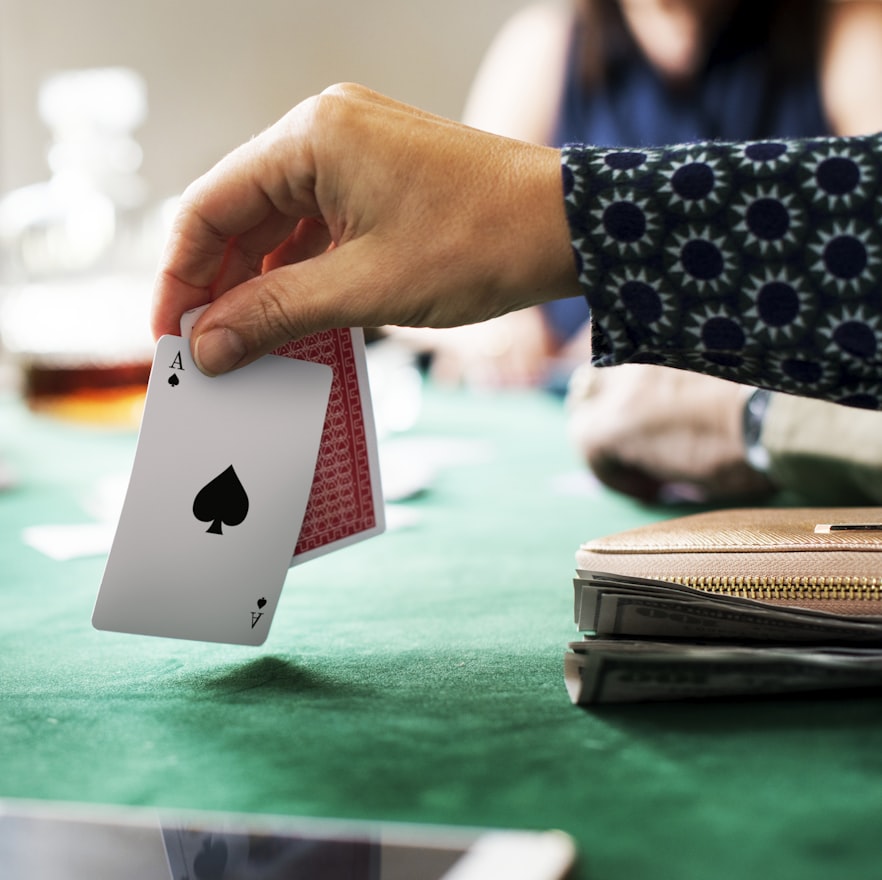
Many individuals may begin gambling as a form of entertainment or social activity, but for some, it can quickly spiral into an obsession. The thrill of winning, combined with the desire to recover losses, can create a cycle that is difficult to break. Recognizing gambling addiction involves identifying behavioral patterns and emotional responses associated with gambling activities.
Signs and Symptoms of Gambling Addiction
Recognizing the signs of gambling addiction is crucial for early intervention. Common symptoms include an increasing preoccupation with gambling, needing to gamble with larger amounts of money to achieve the same thrill, and unsuccessful attempts to cut back or stop gambling altogether. Additionally, individuals may experience irritability when attempting to reduce gambling activities, and they may resort to gambling as a way to escape problems or cope with stress.
Other signs include lying about gambling habits, stealing money to fund gambling, and neglecting responsibilities at work or home. If you or someone you know exhibits these behaviors, it is important to take them seriously. The earlier the signs are recognized, the better the chances for effective intervention and recovery.
The Impact of Gambling Addiction
The impact of gambling addiction extends beyond the individual, affecting families, friends, and communities. Financial hardships resulting from gambling can lead to strained relationships and increased stress within households. Loved ones often feel helpless and confused, as they watch the individual struggle with their addiction. This creates a cycle of pain and distress that can be challenging to navigate.
Moreover, gambling addiction can lead to mental health issues such as anxiety, depression, and a heightened risk of suicide. Understanding the far-reaching consequences of this addiction emphasizes the importance of seeking help. Recovery is not just about stopping gambling; it involves addressing the emotional and psychological facets of the disorder.
Path to Recovery
Recovering from gambling addiction is a multifaceted process that often requires professional help. Treatment options include therapy, support groups, and sometimes medication to address underlying mental health issues. Cognitive Behavioral Therapy (CBT) has shown effectiveness in helping individuals change negative thought patterns and behaviors associated with gambling.
Support from family and friends plays a crucial role in recovery. Encouragement, understanding, and patience can provide a solid foundation for individuals seeking to reclaim their lives. Additionally, support groups like Gamblers Anonymous offer a community of individuals who share similar experiences, creating an environment of empathy and shared understanding.
Resources for Support and Information
If you or someone you know is struggling with gambling addiction, various resources are available to provide support. Educational materials, hotlines, and local organizations can offer guidance and assistance. It is vital to recognize that seeking help is a sign of strength, and there are pathways to recovery that can lead to a healthier, happier life.
Furthermore, the internet offers a plethora of information on gambling addiction, recovery options, and support networks. Taking the first step towards recovery can open the door to a new chapter filled with hope and possibilities. Remember, you are not alone on this journey, and help is available.