The Role of Emotion in Gambling
Casino games are not merely about chance; they engage players on an emotional level that significantly impacts decision-making. Emotions such as excitement, fear, and anticipation can drive players toward certain strategies, often clouding their judgment. For instance, the thrill of a near win can create a false sense of confidence, encouraging players to continue betting despite unfavorable odds. This emotional rollercoaster can lead to behaviors that deviate from rational decision-making, making it crucial for players to discern their feelings as they engage with best betting sites.
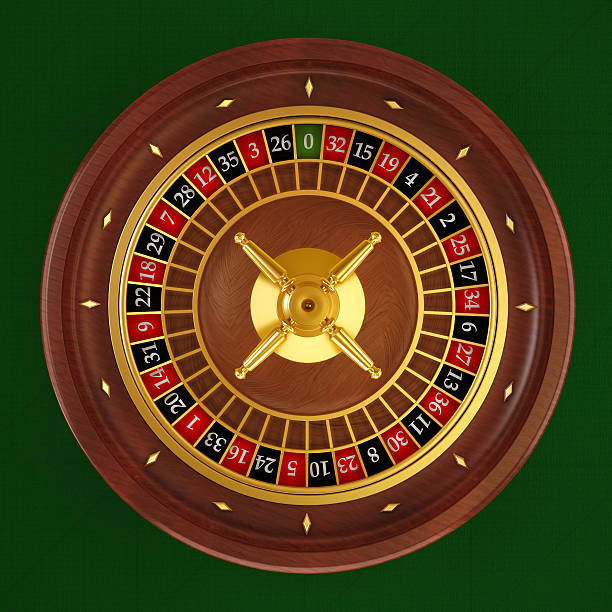
Understanding the emotional landscape of gambling can help players develop strategies that mitigate impulsive decisions. By recognizing how emotions influence their choices, players can adopt a more analytical approach, focusing on strategy rather than sheer impulse. This shift can lead to more consistent outcomes and a greater chance of long-term success.
Cognitive Biases and Their Influence
Cognitive biases play a significant role in how players perceive their chances of winning. For example, the illusion of control bias leads individuals to believe they can influence the outcome of a game based purely on skill, even in inherently random games like slots. These biases skew perceptions and can lead players to overestimate their abilities or underestimate the house edge.
To combat cognitive biases, players can educate themselves on the odds and mechanics of various games. Understanding the statistical probabilities involved can help reframe perceptions of success and failure, allowing players to make wiser choices. By acknowledging these biases, gamblers can refine their strategies, enhancing their overall gaming experience.
The Importance of Bankroll Management
Effective bankroll management is a cornerstone of successful gambling strategies. This involves establishing limits on how much money a player is willing to spend and adhering to those limits strictly. Psychology plays a pivotal role in this aspect, as players often find it challenging to stick to their predetermined budgets, particularly when emotions are running high during gameplay.
By adopting a disciplined approach to bankroll management, players can prevent significant losses and extend their gaming sessions. Setting specific goals for wins and losses can create a structured environment where players can enjoy the thrill of the game while maintaining control over their finances. This rational framework can lead to more strategic decision-making and improved odds of success.
The Social and Environmental Factors
The casino environment is meticulously designed to enhance the gambling experience, often influencing player behavior subconsciously. Factors such as lighting, sound, and the presence of other players can evoke feelings of excitement and urgency, potentially leading individuals to make riskier bets. Social interactions, whether with fellow players or casino staff, can also impact decisions and strategies.
Being aware of these external influences is crucial for developing successful strategies. Players can create a personal environment that fosters focus and rational thinking, minimizing the effects of external distractions. By recognizing the social dynamics at play, individuals can better navigate the gambling landscape and make informed choices that align with their strategic goals.

Supporting Responsible Gambling Initiatives
While exploring the psychology behind winning strategies in casino games is essential, it’s equally important to emphasize responsible gambling. Awareness of psychological factors can empower players to engage with games in a way that promotes safety and enjoyment. Resources and organizations dedicated to responsible gambling provide information and support to help individuals make informed choices.
Ultimately, understanding the interplay between psychology and strategy can lead to a more fulfilling gaming experience. By fostering a culture of awareness and responsibility, players can enjoy the thrills of casino games while minimizing the risks associated with gambling. This balanced approach not only enhances personal enjoyment but also supports broader initiatives aimed at promoting safer gambling practices.